spacer
Rebellion February 1836     
spacer
spacerspacer
spacerHomespacer spacerOverviewspacer spacerTrail Narrativespacer spacerHighlightsspacer spacerMapsspacer spacerResourcesspacer spacerImagesspacer spacer
spacer
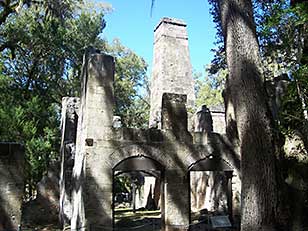
Wrecked sugar mill at Dunlawton plantation
spacer
Ruins of Dunlawton sugar plantation mill in Port Orange, Florida. In the 1830s, financing sugar mills required access to large amounts of capital, restricting the business to wealthy or well-connected planters. Photograph taken in 1959. Florida Photographic Collection.
View an image enlargement
spacer
Previous slide Next slide
Slave Uprising slide tickerslide ticker

In the general uprising, blacks and Indians specifically targeted the sugar plantations along the St. John's River, west of St. Augustine. At the time these were some of the most developed plantations in all U.S. territory in one of the richest sugar-growing areas in the South. Their destruction was swift and devastating. By February of 1836, less than two months into the war, the Seminole allies had destroyed 21 plantations. Where slavery and sugar mills once flourished, soldiers found smoking ruins and an industry laid waste.

Previous slidespacerspacer


Sources: Boyd "Seminole" 58-69, the section subtitled "A Sugar Empire Dissolves." ©
Part 2, War: Outline  l  Images
spacer spacer
 Trail Narrative
 + Prologue
 + Background: 1693-1812
 + Early Years: 1812-1832
 - War: 1832-1838
+ Prelude to War
+ Revenge
spacer spacer War Erupts
"Massacre"
Withlacoochee
Key Actors
Florida
Slave Uprising
Army Response
National Mood
Distractions
Seminole Success
+ Deceit
+ Liberty or Death
 + Exile: 1838-1850
 + Freedom: 1850-1882
 + Legacy & Conclusion