spacer
Rebellion December 1835 - January 1836     
spacer
spacerspacer
spacerHomespacer spacerOverviewspacer spacerTrail Narrativespacer spacerHighlightsspacer spacerMapsspacer spacerResourcesspacer spacerImagesspacer spacer
spacer
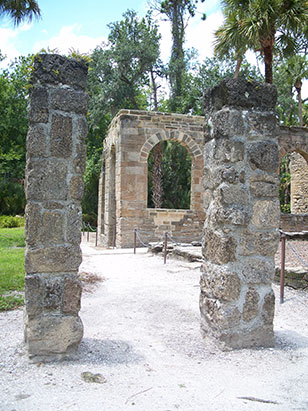
Ruins of the Bulow Plantation
spacer
Ruins of the Bulow Plantation. John von Bulow was a wealthy planter with a reputation for cruelty. He once shot a slave for mishandling his skeet traps. His plantation was one of the first targets of the uprising. After the militia withdrew from Bulowville on January 23, the Seminoles burned it to the ground, leaving only a mass of ghostly stone ruins, many of which are still visible today. See heritage sites: Florida for more on the location. Florida Photographic Collection.
View an image enlargement
spacer
Previous slide Next slide
War Erupts slide tickerslide tickerslide ticker

Rosetta, Mount Oswald, Dunlawton -- the largest plantations in Florida were systematically targeted and destroyed. The Seminole allies wrecked mills, burned homes, confiscated livestock and corn. At each stop they recruited more slaves:

"Depeyster's negroes were traitors, and must have been in league with the Indians," "Upwards of two hundred and fifty negroes … have joined … and are more desperate than the Indians," "the whole of Major Heriot's … negroes … moved off."

By January, almost 300 slaves from the St. John's region alone had fled to the rebel forces. Months of planning were paying off. The Black Seminoles and their Indian allies were sparking a mass uprising.

Previous slidespacerspacer


Sources: Boyd "Seminole" 60-63, The Charleston Courier Jan 12, 21, 22 cited in Porter Negro 266, Bemrose 12-13. For more on the slave rebellion, see the essays section. ©
Part 2, War: Outline  l  Images
spacer spacer
 Trail Narrative
 + Prologue
 + Background: 1693-1812
 + Early Years: 1812-1832
 - War: 1832-1838
+ Prelude to War
+ Revenge
spacer spacer War Erupts
"Massacre"
Withlacoochee
Key Actors
Florida
Slave Uprising
Army Response
National Mood
Distractions
Seminole Success
+ Deceit
+ Liberty or Death
 + Exile: 1838-1850
 + Freedom: 1850-1882
 + Legacy & Conclusion